
Support / Resources
Window and door resources
Buying guides and videos to help you compare systems, review documentation, and plan your next order.
Blog
Buying guides
Practical reading for distributors and project buyers, with a guide for homeowners comparing energy performance.

B2B buying guide
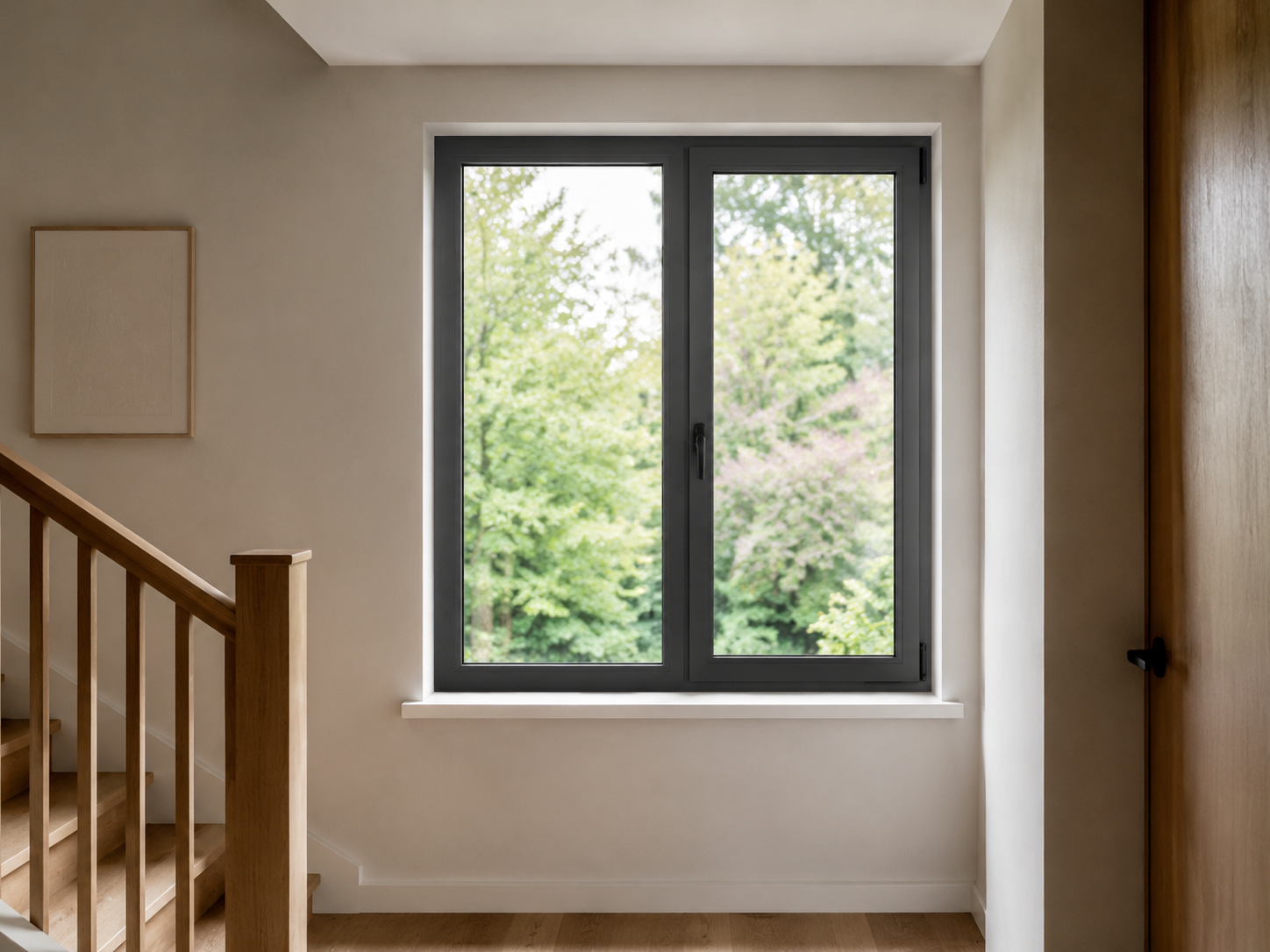
How to Choose a Reliable Aluminum Window and Door Supplier in China
Compare factories, samples, quality control, documentation, and export support.
B2B project guide
Impact Windows for Coastal Projects: What Buyers Should Check
Review impact ratings, glass, water and air performance, and project records.
Homeowner guide
How to Choose Energy Efficient Windows for a Hot Climate
Understand U-factor, SHGC, glazing, and frame design before choosing windows.

B2B document guide
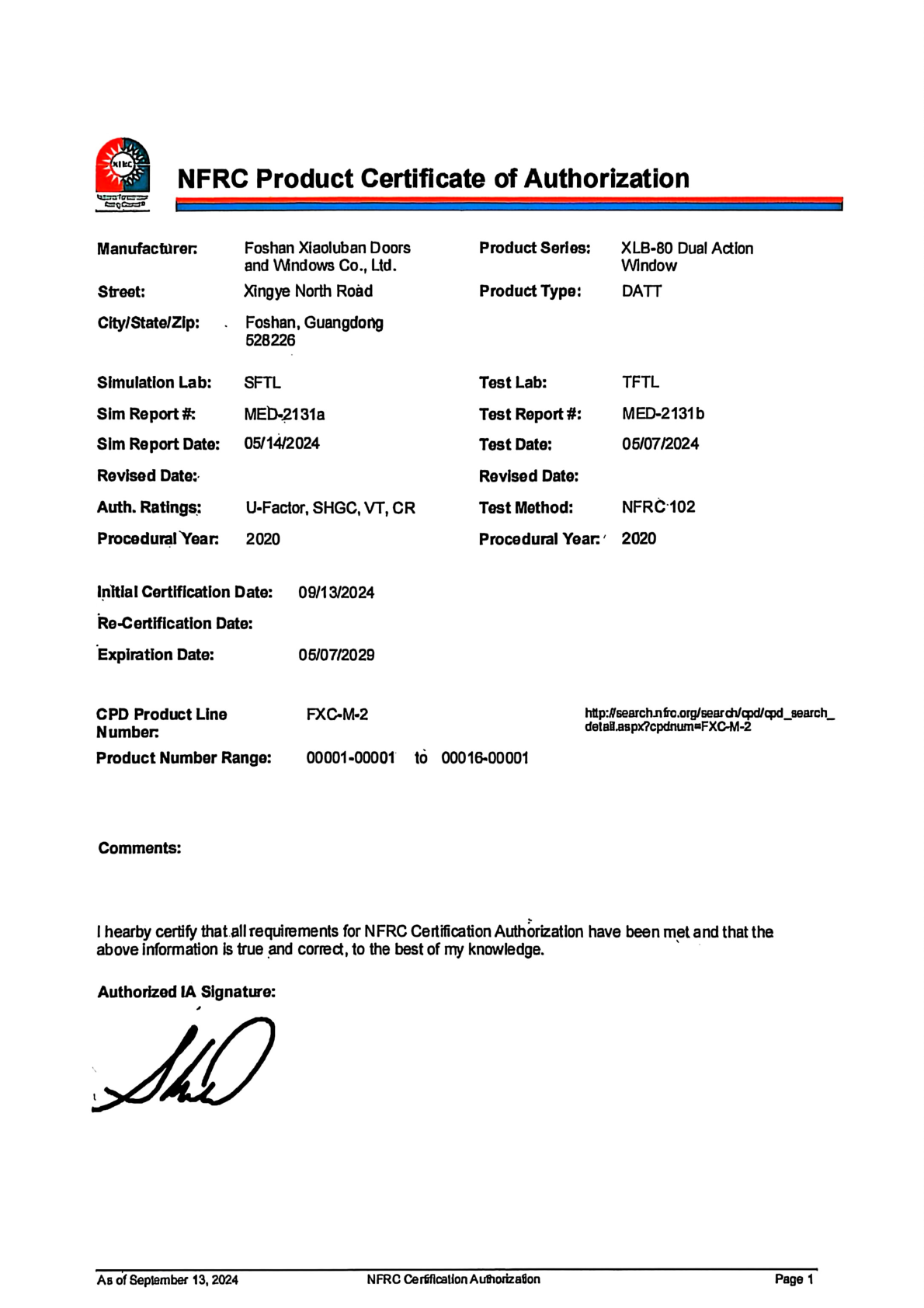
What Certifications and Test Reports Should a Window Factory Provide?
Match certificates and test reports to the product and project requirements.

B2B order guide
How to Request a Custom Window and Door Quote
Prepare sizes, quantities, finish, glazing, hardware, and delivery details.
Video
Watch Xiaoluban
Recent videos from Xiaoluban’s official TikTok account.



Window & Door Buying Questions
Clear answers for distributors, project buyers, and homeowners comparing aluminum windows and doors.
For Distributors and Project Buyers
How do I choose a reliable aluminum window and door supplier in China?
Look for clear product information, factory capabilities, quality control procedures, and export experience. Before placing an order, confirm the product configuration, glass, hardware, finish, MOQ, lead time, packaging, and after-sales support. A reliable supplier should be able to explain these details and provide documents that match the actual product.
What certifications should an aluminum window factory provide?
The required documents depend on the target market, product system, project type, and performance requirements. Common documents may include product certificates, material information, performance test reports, quality management certificates, and project-specific compliance documents. Always check that the documents apply to the product and configuration being purchased.
What is the difference between a certificate and a test report?
A certificate confirms that a product, system, or company meets a specific standard or requirement. A test report records measured results from a particular test, such as air leakage, water penetration, structural performance, or thermal performance. Buyers should review both and confirm that the product model and configuration match the project.
How can I verify a window certificate or test report?
Check the issuing organization, certificate number, testing standard, product model, test date, and validity period. Then confirm that the document covers the size, glass, frame, and hardware configuration you plan to purchase. For projects with special requirements, ask the supplier to confirm the applicable documents before production.
What information should I provide when requesting a window and door quote?
A supplier normally needs the approximate quantity, window and door sizes, opening style, glass requirements, frame color, hardware preferences, project location, and expected delivery time. Drawings, schedules, photos, or a product list will help the supplier prepare a faster and more accurate quotation.
How does a window factory control quality during production?
Quality control should cover more than the final inspection. It usually starts with raw materials and continues through cutting, machining, assembly, glazing, hardware installation, and final packing. Before shipment, the supplier should check dimensions, opening direction, finish, glass, hardware operation, labels, and packaging.
How should buyers compare quotes from different window factories?
Do not compare only the unit price. Check what is included, such as glass, hardware, surface finish, screens, packaging, loading, and delivery terms. A lower price may be based on a different glass specification, profile, accessories, or shipping terms.
For Homeowners
How do I choose energy-efficient windows for a hot climate?
Start by looking at the glass and frame together. In hot climates, SHGC affects how much solar heat enters the room, while U-factor shows how well the window limits heat transfer. Frame design, glass coating, installation, and sealing also affect the final result.
What do U-factor and SHGC mean?
U-factor measures how easily heat passes through a window. A lower U-factor generally means better insulation. SHGC measures how much solar heat passes through the glass; a lower SHGC is often useful in hot climates.
What is the difference between casement and sliding windows?
Casement windows open outward and usually provide a tighter seal when closed. Sliding windows move horizontally and do not need outside clearance, so they can be convenient for bedrooms, balconies, and areas where outward opening is difficult.
Can aluminum windows reduce outside noise?
They can help, but the result depends on the complete system. Glass thickness, laminated glass, air space, frame design, seals, and installation quality all play a role. For noisy locations, discuss the sound source and target performance before choosing the glass.
How should aluminum windows and doors be maintained?
Clean the frames and glass with mild detergent and water. Avoid strong acids, abrasive cleaners, and sharp tools. Check drainage holes, seals, handles, locks, and rollers regularly to keep the windows and doors operating smoothly.
Need help choosing the right configuration?
Every project is different. Send us your drawings, sizes, photos, or product list, and we can help review the basic configuration and applicable documents.